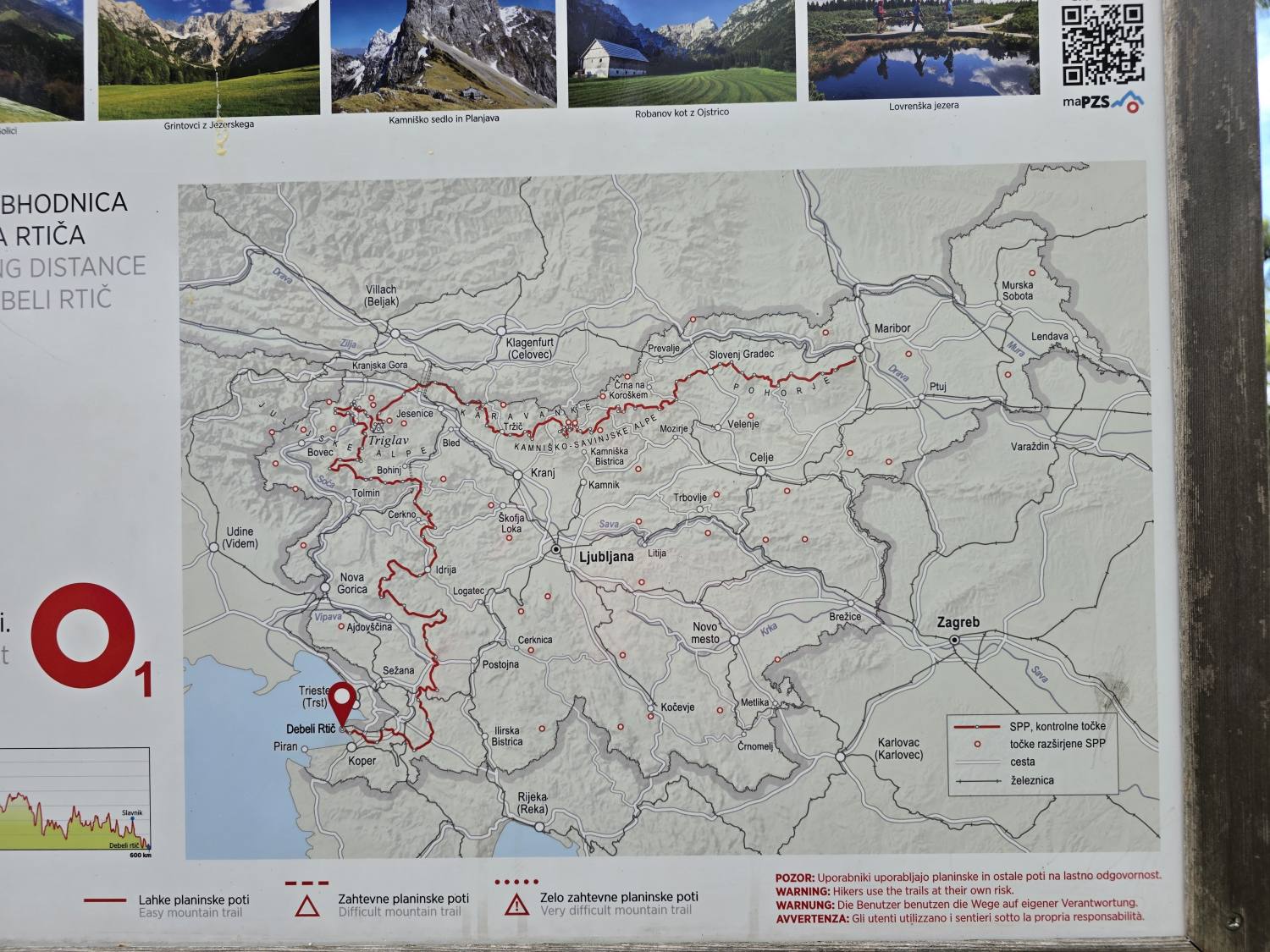
Debeli rtič-Ankaran
| Region | Coastal - Karst Statistical Region |
| Starting point | parkirišče Debeli rtič |
| Route length | 3 km |
| route duration | 1h |
| Best time to visit | vsi letni časi |
| Appropriate for | Baby Carriers , 1-3 years of age , 3-6 years of age , 6+ years of age |
| Level of difficulty | lahka pot |
Opis poti
Debeli rtič – kjer se morje, narava in zgodovina srečajo
Če iščete idejo za prijeten družinski izlet ob morju, je Debeli rtič čudovita izbira v vseh letnih časih. Še posebej jeseni, ko se poletna gneča umakne, morski zrak postane nekoliko bolj svež, obala pa ponuja popolno kuliso za raziskovanje. Tukaj ne bomo potrebovali kopalk, ampak udobne čevlje, radovedne otroke in morda še štirinožnega spremljevalca na povodcu.
Sprehod po Morski poti
Naše raziskovanje začnemo na večjem makadamskem parkirišču pri plaži Debeli rtič, ki je tudi izhodišče za morsko in panoramsko učno pot. Morska pot je krožna in nezahtevna, zato je primerna tudi za družine z otroki, ki že radi hodijo in raziskujejo.
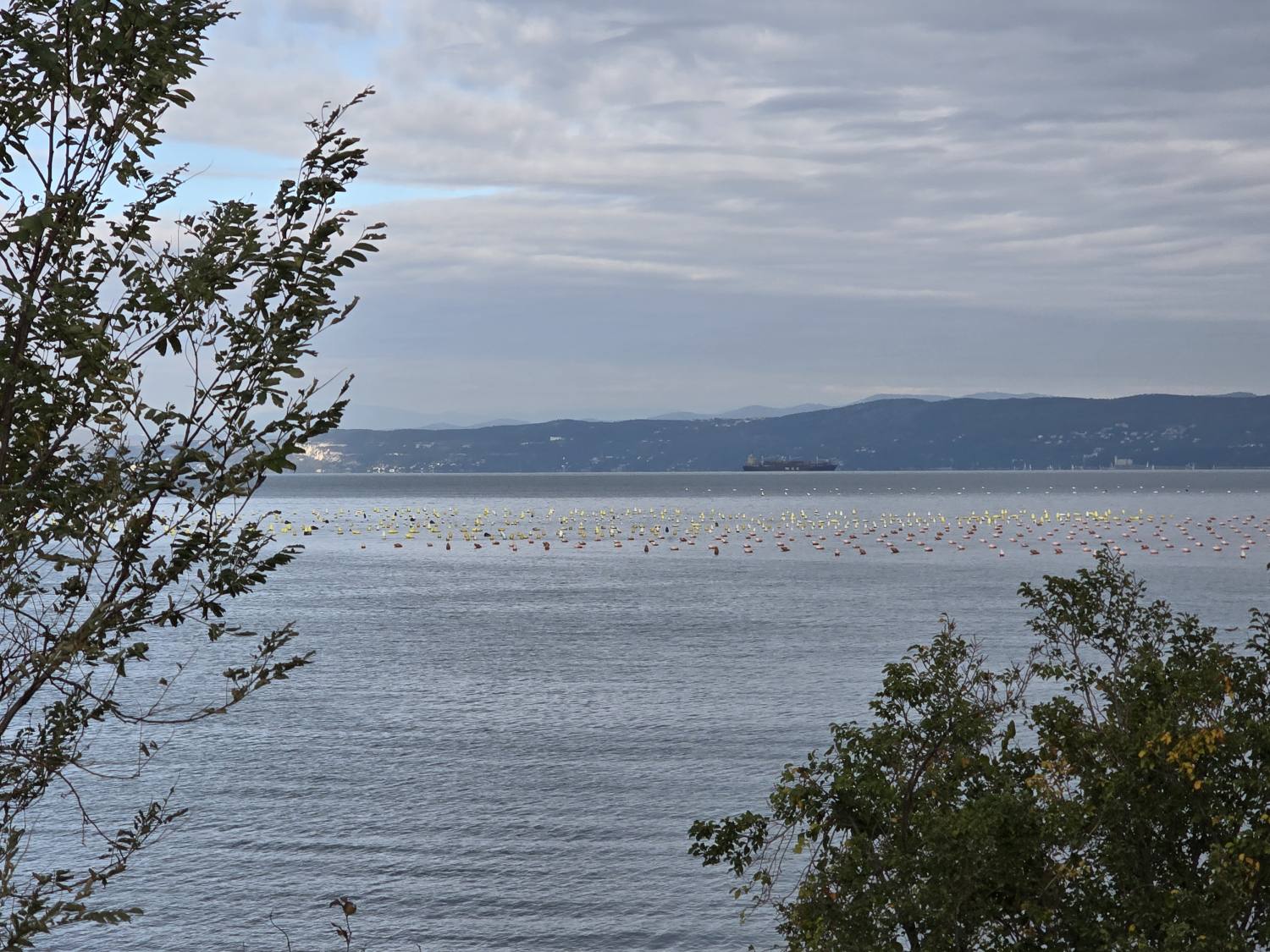
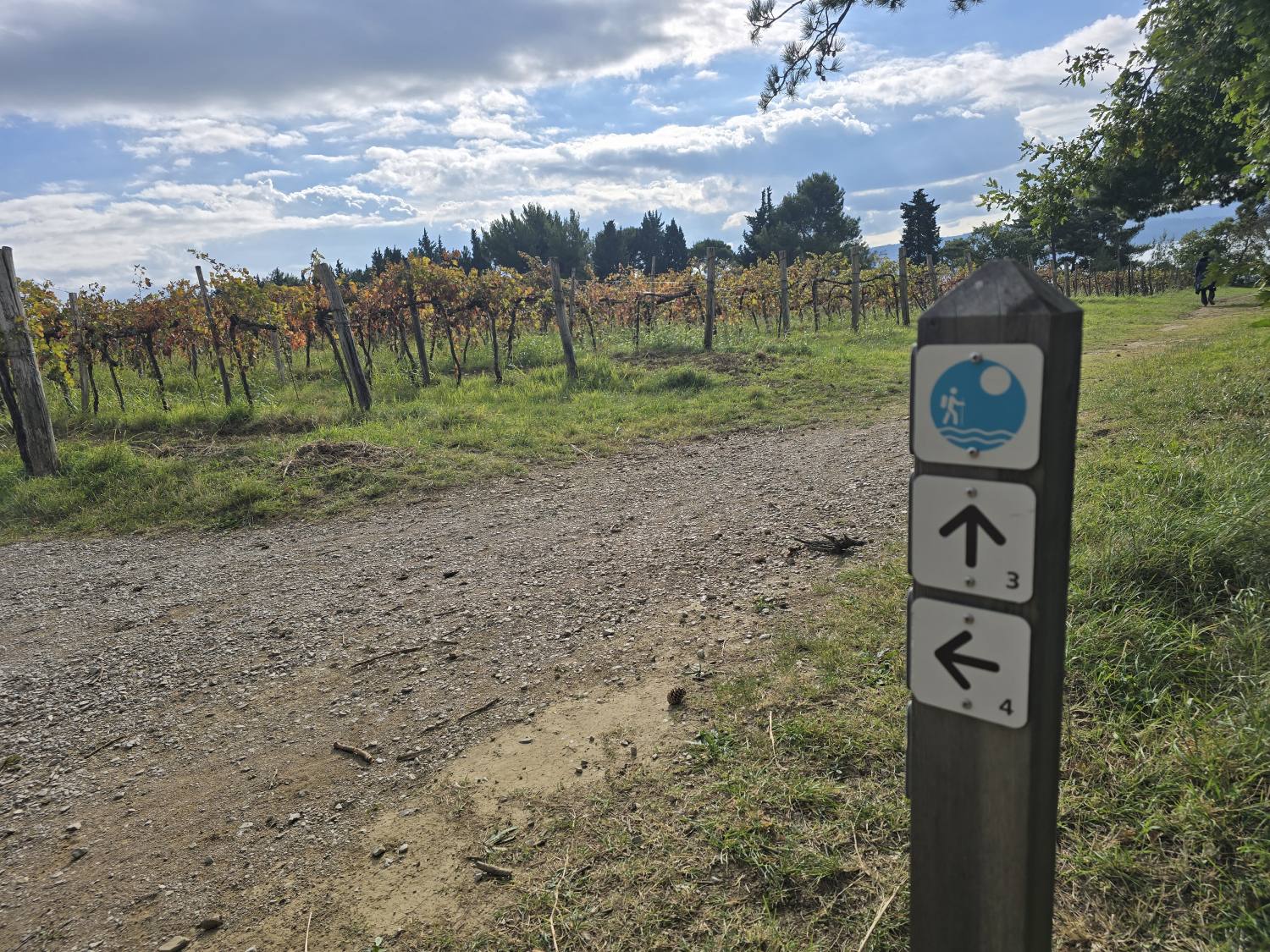
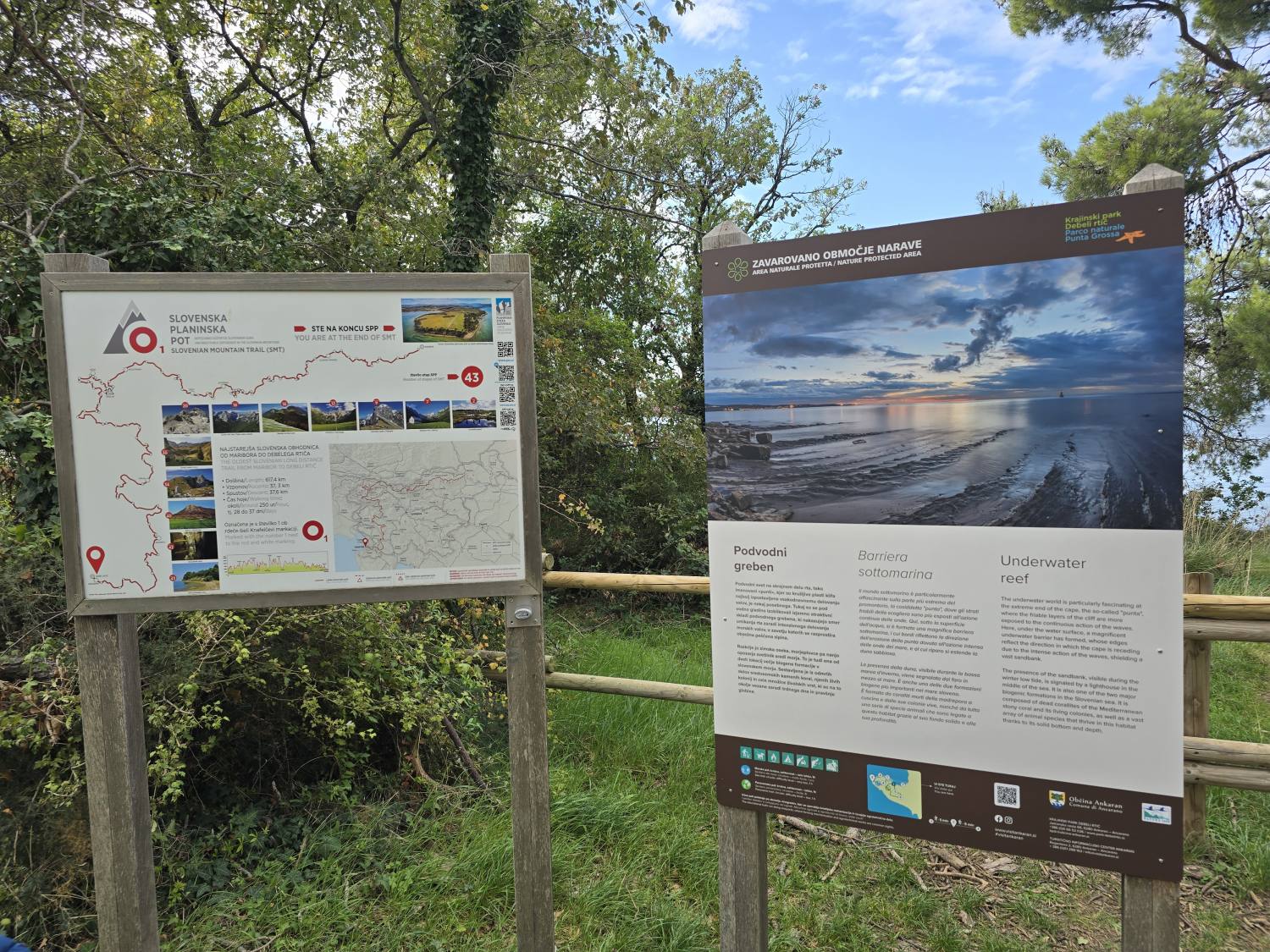
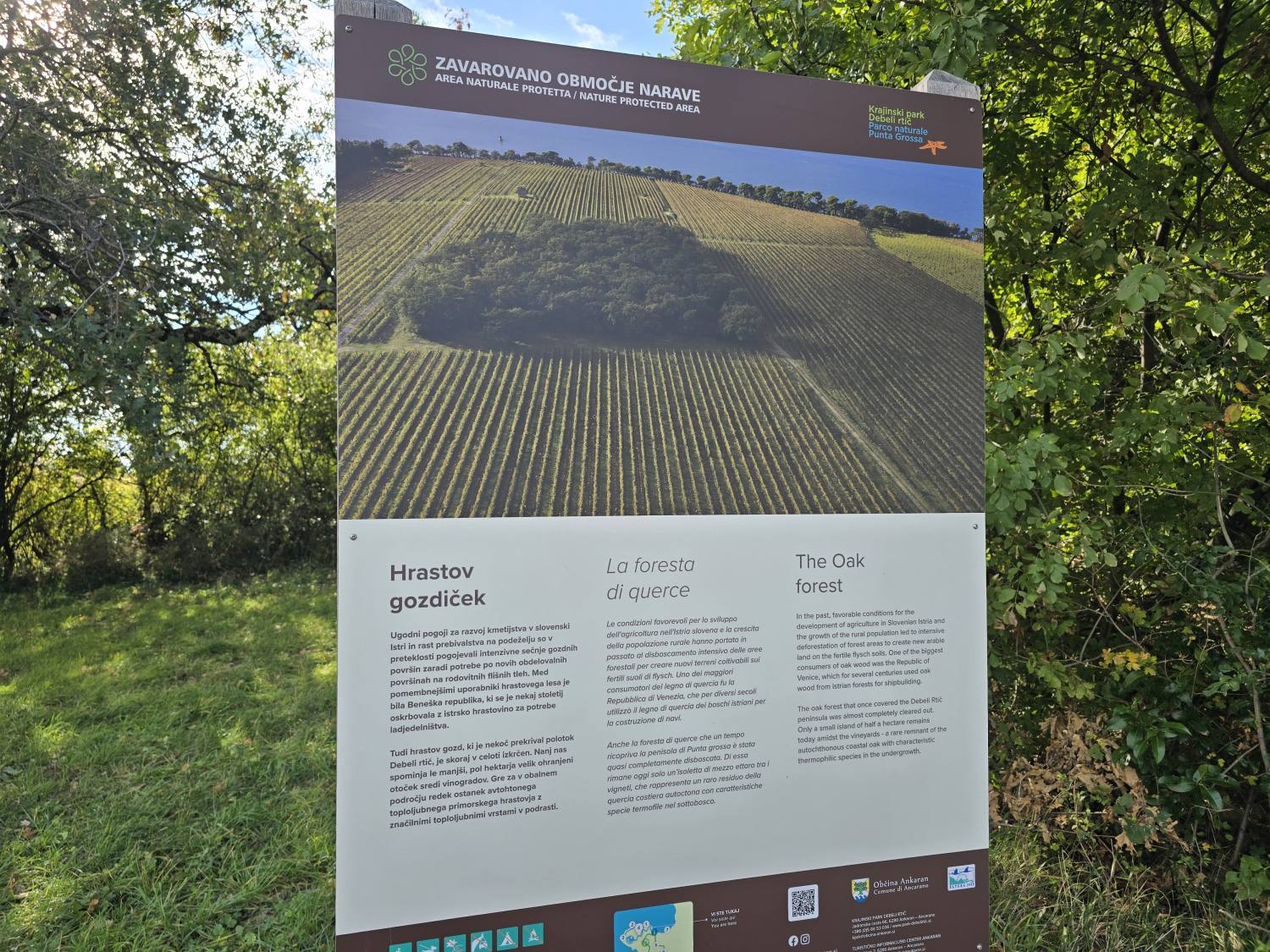
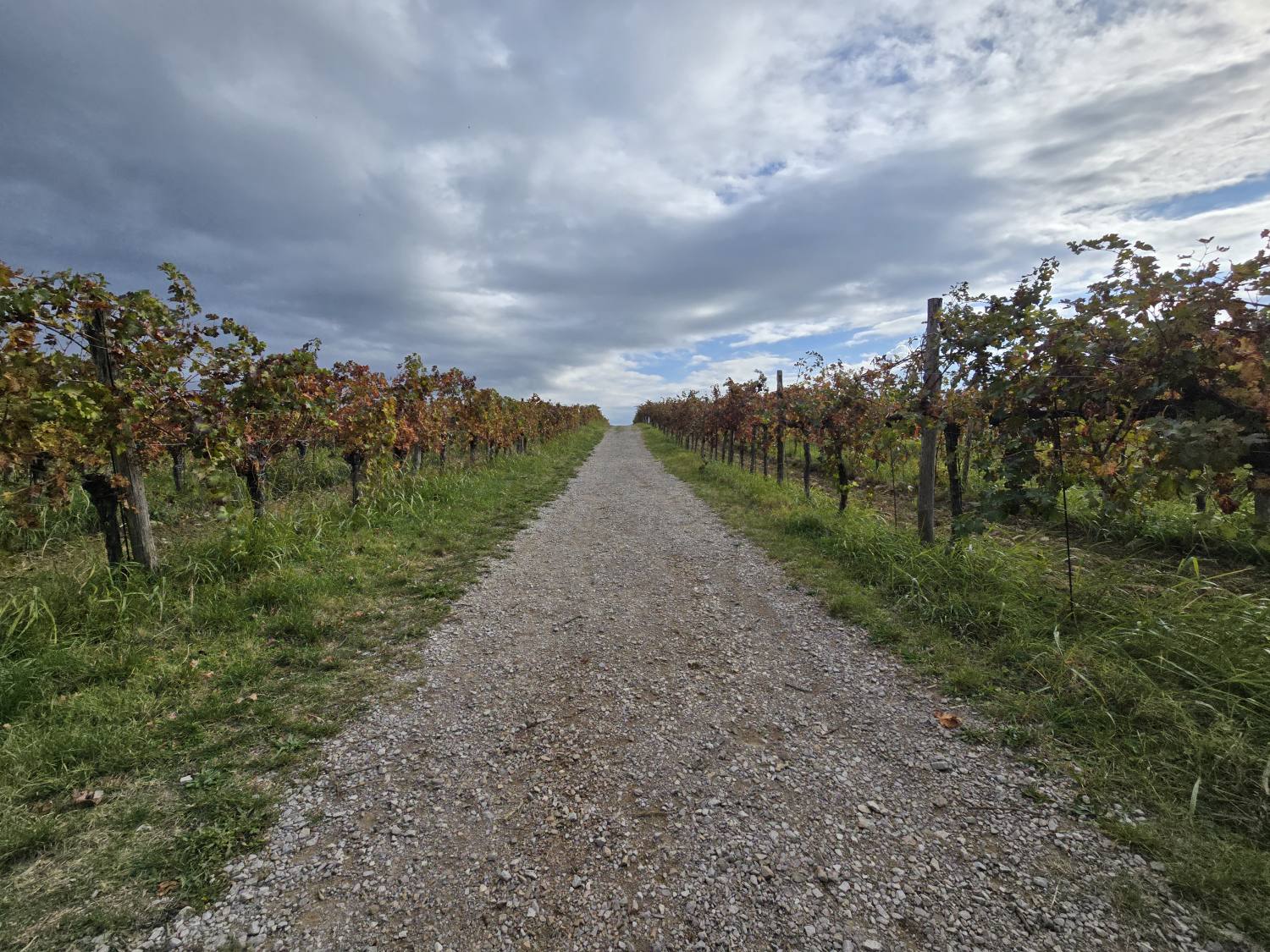
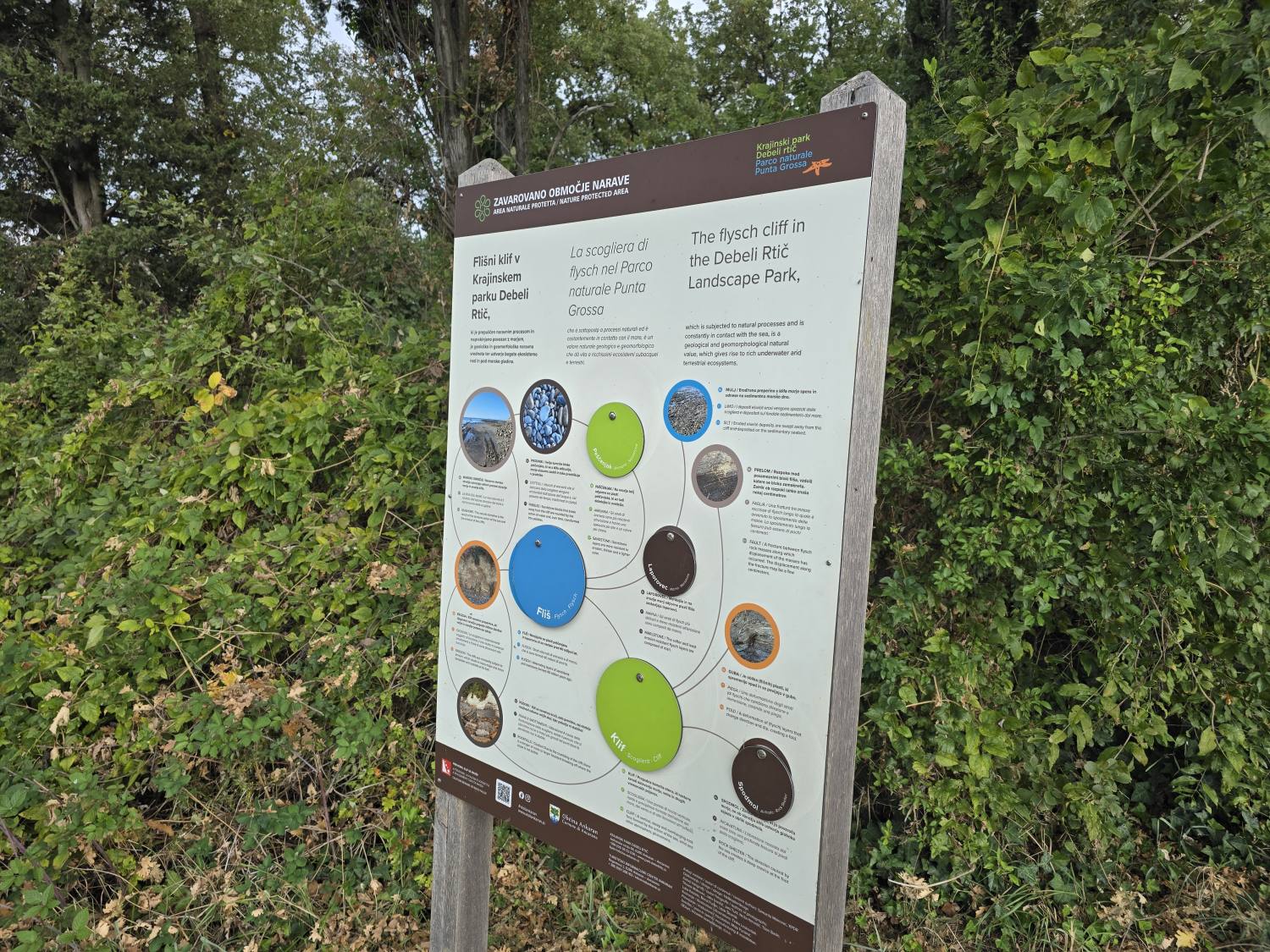
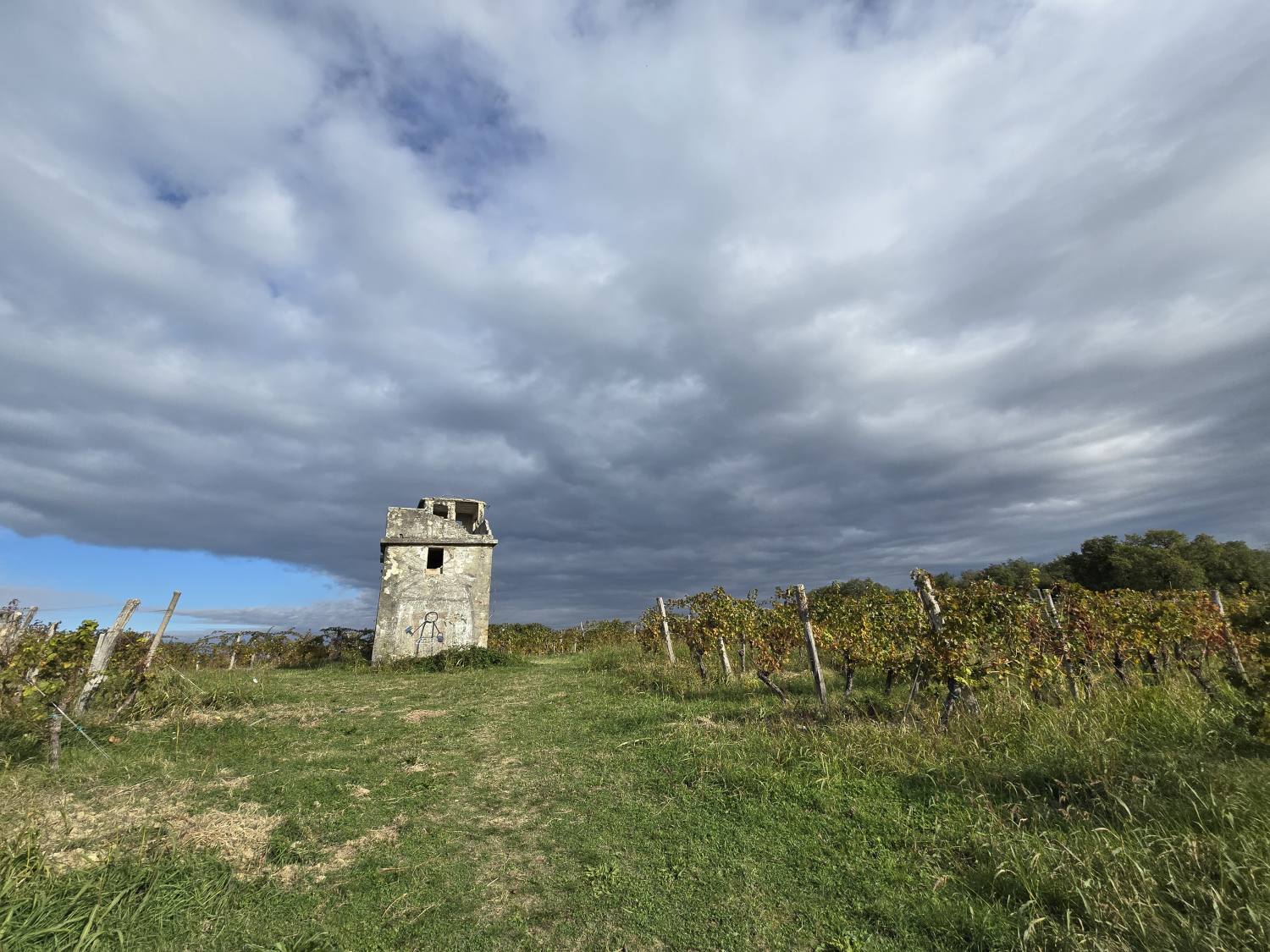
Pot nas popelje skozi značilno sredozemsko pokrajino, mimo obmorskega rastja in vinogradov ter v bližino naravne obale. Spremljajo nas vonj borovcev, šumenje morja in čudoviti pogledi na Tržaški zaliv. Na informativnih tablah spoznavamo naravne posebnosti območja, življenje v morju ter rastlinske in živalske vrste, ki domujejo v tem dragocenem koščku slovenske obale.
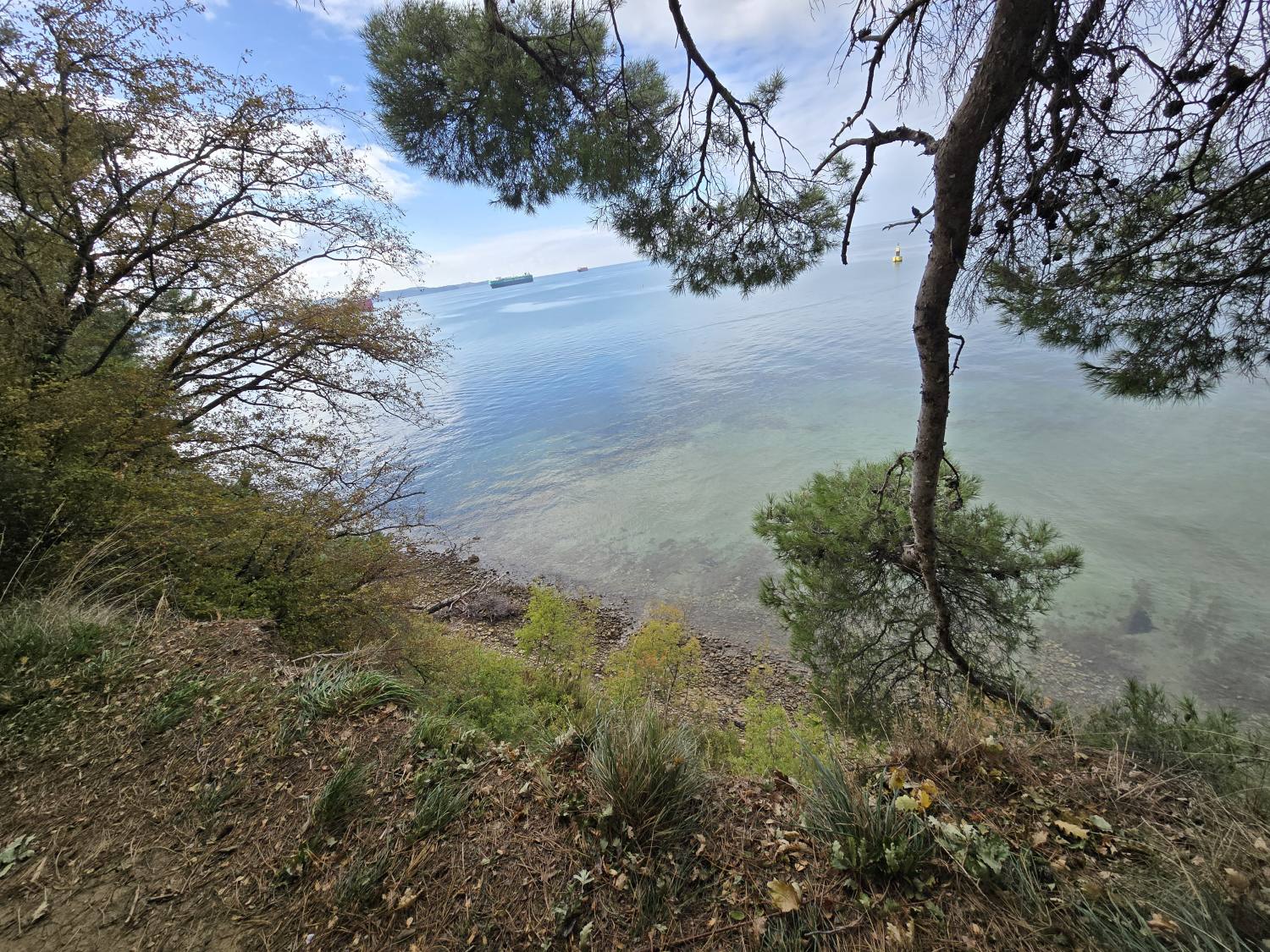
Posebno doživetje je pogled na naravno obalo in flišni klif, kjer lahko opazujemo, kako sta morje in veter skozi tisočletja oblikovala obalno pokrajino. Otroci bodo zagotovo našli dovolj razlogov za postanke – od zanimivih kamnin do opazovanja valov in iskanja morskih zakladov.
Interesting Facts
The Sečovlje and Strunjan salt-pans are the only ones in this part of the Adriatic, where salt is still being produced and where the traditional procedure of its production has survived till this very day.
The salt pans in the northern Adriatic have had a major impact on the economies of the countries and urban states of the area for centuries. They were the subject of political disputes and wars because of salt and its usefulness. It was a valuable raw material and a strategic commodity important for food canning and gunpowder production.
Many years ago there were other large and small salt pans in the villages of Sečovlje, Lucija and Strunjan in the Gulf of Trieste and Istria (e.g. in the villages of Milje, Koper, Izola, Lucija). They were marked not only by political and economic interests, but also by the unpredictable nature.
In the past, salt deficiency has had a major impact on human health.
The salt trade was a very important activity, as this commodity was so valuable that it was used in some places as a medium of exchange. The Latin term "salarium argentum" (salt money) referred to the part of the salary received by every Roman soldier, and it has been preserved for so long in our history that it even gave rise to the English word "salary".
Supposedly, the Egyptians were the first to figure out how to use it. Salt was used to mummify the dead, solidify the colors of clothing, and for fish and olives. The first mighty Roman road Via Salaria was built in the honour of salt.
Listen to a fairy tale about an Istrian shepherd and fairies.

Map
Take me to the starting point
Show route in Google mapsRent a car


Nearby Restaurants
Stazione Parenzana
The well-known inn and pub is located in the village of Seča and has delicious grilled food and excellent pizzas on the menu that will delight even the most picky guests. With respect for the history of the environment, they create traditional dishes. The locals say the inn has the best beer on the coast and we totally agree!
This family-friendly inn has a pleasant ambience and excellent service.
Seča 81b,
6320 Portorož
0820 07252

Vita, Olja and Juna Recommend
Salt is the sea that could not return to the sky…
Tiny white or pink pyramidal crystals are the most valuable crop of the Piran salt pans. On the surface, brines are formed in windless weather only, as they are disturbed by the tiniest waves.
The flower of salt enriches all salads, carpaccios, seafood specialties and other culinary masterpieces. The Piran Salt Pans company has a cosmetic line of salt products and sells a book called Let's Meet the Birds of the Sečovlje Salt Pans (which is sold in Slovene only).
Piran Salt from the Piran salt-pan houses is produced according to a tradition that is almost 700 years old. The basic process is natural crystallization in salt fields, where salt is collected on a few millimeters thick base of bio sediment called petola, which is composed of minerals and microorganisms.